Discover the City That Never Sleeps: Your Complete Berlin Travel Guide
This Berlin travel guide starts with one simple truth: there’s nowhere else quite like Germany’s capital. Scarred by war, divided by ideology and reunified by hope, Berlin is now one of the most creative and culturally rich cities in Europe. Whether you’re a history lover, an art fan, a foodie or a night owl chasing the world’s most famous club scene, it delivers in ways few cities can.
Below we cover the Berlin Wall sites worth your time, the best things to do in Berlin, a practical three-day itinerary, what to know before a night out, and our tips for getting around and where to stay.
Why Berlin Belongs on Every Traveller’s Bucket List
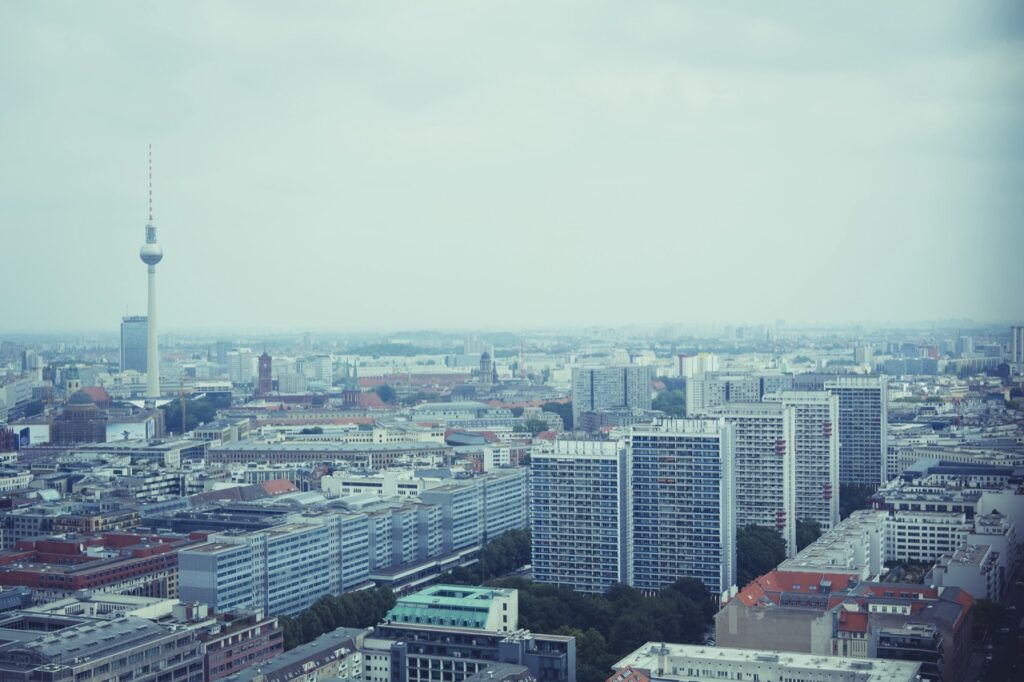
Berlin’s appeal lies in its contrasts. You can stand beside a graffiti-covered stretch of the Cold War in the morning, explore world-class museums in the afternoon and dance until sunrise in a techno club at night. The city doesn’t hide its story. It wears it openly, on its walls and streets.
Unlike many European capitals, Berlin is refreshingly unpretentious. It rewards curiosity, welcomes outsiders and keeps reinventing itself while still honouring the weight of its past. If you’re planning a trip to Germany, time here isn’t just recommended, it’s essential.
Berlin Wall History: The Scar That Shaped a City
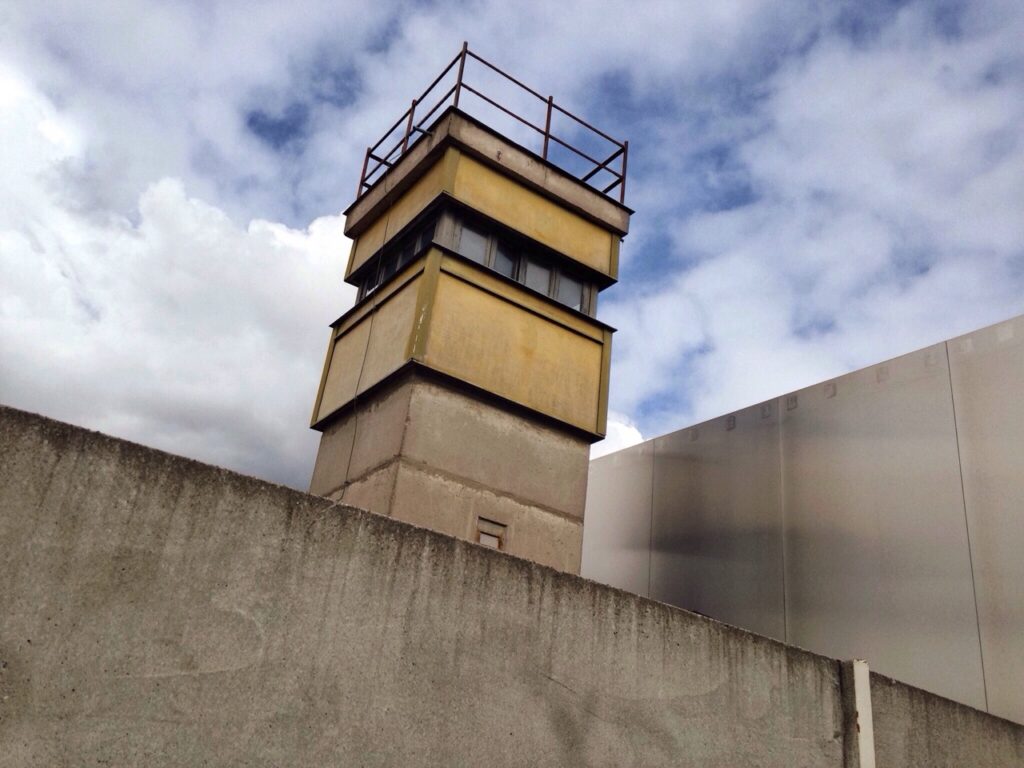
No Berlin travel guide would be complete without the city’s most defining landmark. The Berlin Wall went up in 1961 and fell in 1989, dividing the city for 28 years. Understanding its history is central to understanding Berlin itself.
The Rise and Fall of the Wall
At the height of the Cold War, East Germany built the wall to stop its citizens escaping to the West. Running for around 155 kilometres through and around West Berlin, it became a symbol of separation and oppression.
Today, these are the key sites that bring that history to life:
- East Side Gallery: the longest surviving section of the wall, now an open-air gallery of murals by more than 100 artists from around the world. Dmitri Vrubel’s “Fraternal Kiss” of Brezhnev and Honecker is the most photographed.
- Checkpoint Charlie: the famous crossing point between East and West, once the scene of tense Cold War stand-offs. It’s very touristy today, but the nearby Wall Museum tells the story of escape attempts well.
- Berlin Wall Memorial (Gedenkstätte Berliner Mauer): on Bernauer Strasse, the most moving and historically accurate site, with preserved wall segments, a watchtower and a free documentation centre.
Our tip: give yourself half a day to follow the wall’s former path. You’ll come away with a real sense of how the city overcame division, and what it cost.
Things to Do in Berlin: Culture, History and Beyond
Beyond the wall, the list of things to do in Berlin is almost endless. Here’s where we’d start.
Museum Island (Museumsinsel)
A UNESCO World Heritage Site on the northern tip of an island in the River Spree, Museum Island is home to five major museums:
- Neues Museum: home to the famous bust of Nefertiti.
- Altes Museum: a neoclassical landmark filled with Greek and Roman antiquities.
- Alte Nationalgalerie: 19th-century paintings and sculpture in a temple-like building.
- Bode Museum: sculpture and Byzantine art at the island’s tip.
- Pergamon Museum: closed for major renovation since October 2023, with its first section due to reopen in 2027. In the meantime, the Pergamonmuseum. Das Panorama exhibition just opposite the island shows a 360-degree panorama of the ancient city of Pergamon. Check the Berlin State Museums website for the latest before you go.
A full day here barely scratches the surface. If you plan to visit several museums, the Museum Pass Berlin (valid for three days) usually works out cheaper than individual tickets.
Brandenburg Gate
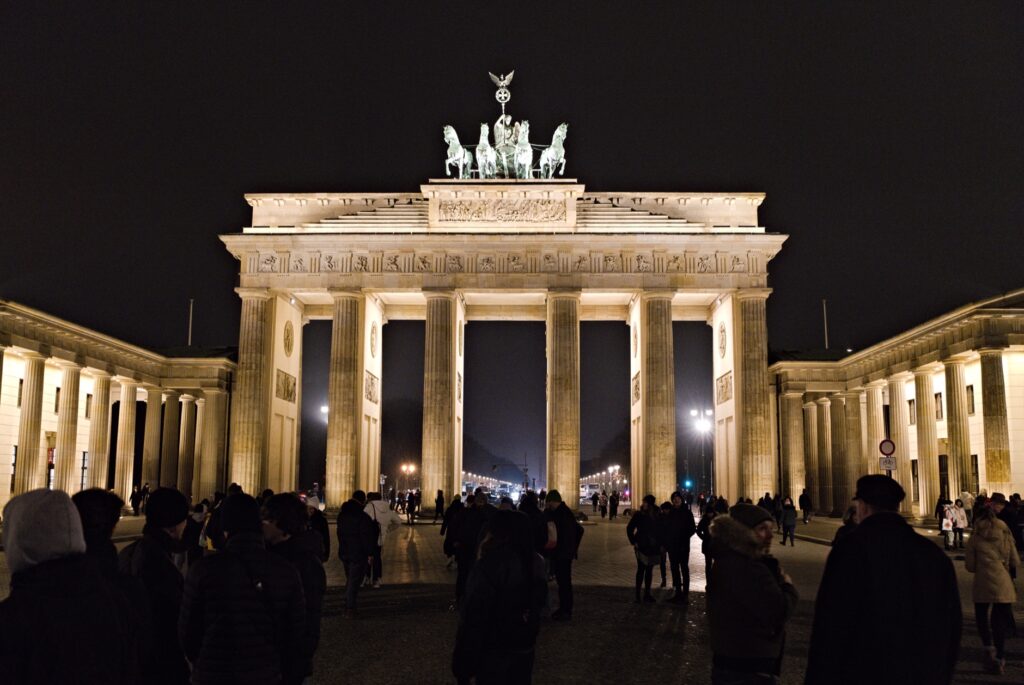
Berlin’s most iconic landmark, the Brandenburg Gate, has seen Napoleon’s troops march through, Nazi torchlight parades, decades stranded beside the wall and the joyful reunification celebrations of 1989. Today it’s a symbol of unity, and the surrounding Pariser Platz is lovely for a stroll, especially after dark when the gate is lit up.
Reichstag Building
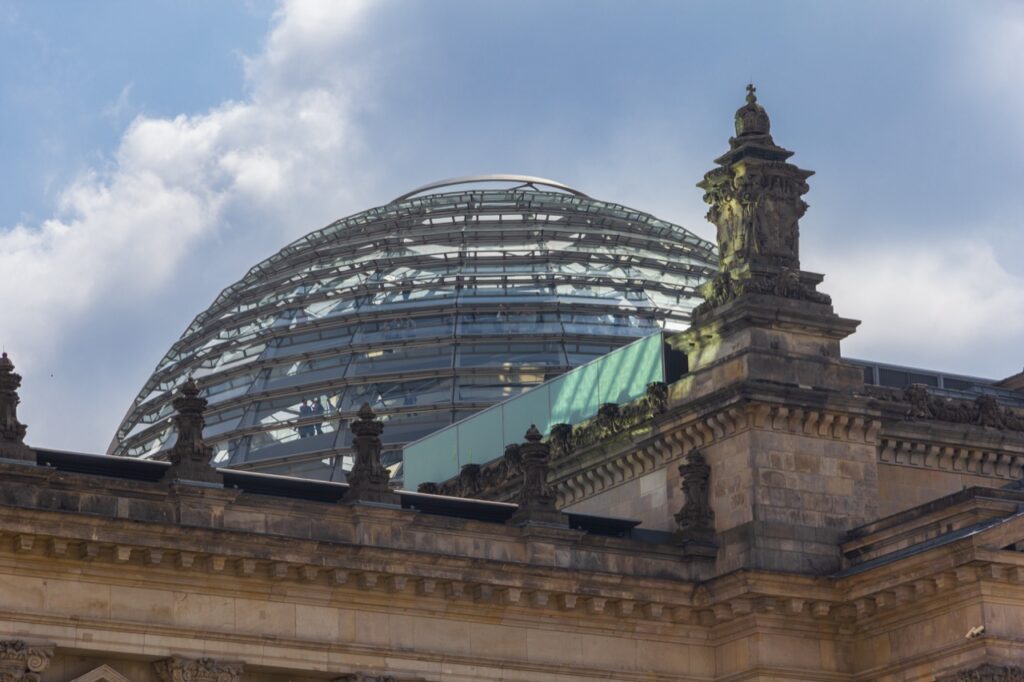
The home of the German parliament offers one of Berlin’s best free experiences: a walk up the spiral ramp inside Norman Foster’s glass dome, with panoramic views over the city. Visits must be booked in advance online, so reserve a slot as soon as your dates are fixed.
Tiergarten
Need a break from history? Tiergarten, Berlin’s huge central park, is the perfect escape. Rent a bike, have a picnic or simply wander its tree-lined paths. In summer it fills with locals relaxing in the sun.
Potsdamer Platz
Once a no-man’s-land between East and West, Potsdamer Platz is now a busy hub of modern architecture, cinemas, shops and restaurants. It’s a fascinating contrast: the spot that once symbolised division is now one of the city’s liveliest meeting places.
Berlin Itinerary: A 3-Day Plan
If you’re building a Berlin itinerary, here’s a practical plan to make the most of three days.
Day 1: History and Heart
- Morning: the Brandenburg Gate and, just steps away, the Memorial to the Murdered Jews of Europe.
- Afternoon: Checkpoint Charlie, then the East Side Gallery.
- Evening: dinner in Mitte, the central district, with traditional German food or the city’s huge range of international restaurants.
Day 2: Art, Museums and Architecture
- Morning: Museum Island, starting with the Neues Museum and Nefertiti.
- Afternoon: Hackescher Markt and its courtyards (Höfe), full of boutiques, cafés and street art. Book your Reichstag dome slot for late afternoon.
- Evening: a concert at the Berlin Philharmonie or a performance at the Deutsche Oper, if timings allow.
Day 3: Neighbourhoods and Nightlife
- Morning: Prenzlauer Berg, a beautifully restored neighbourhood of leafy streets and great coffee. On Sundays, don’t miss the flea market at Mauerpark.
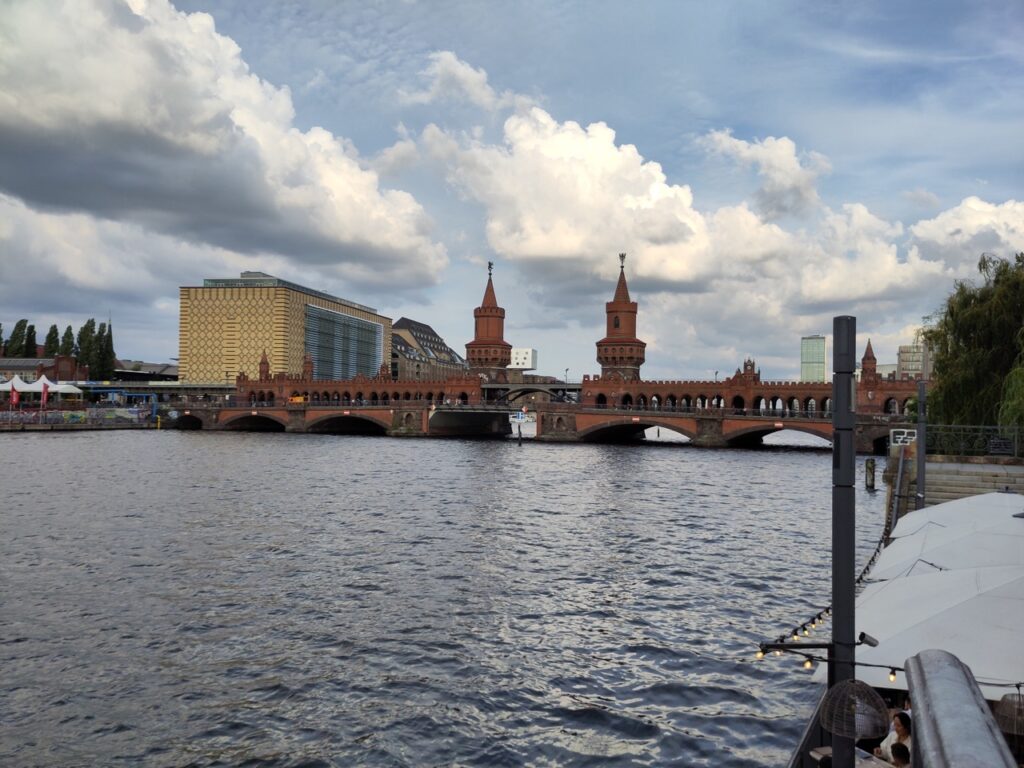
- Afternoon: cross the Oberbaum Bridge into Kreuzberg and Neukölln for street food, independent galleries and, on Tuesdays and Fridays, the Turkish market on the Maybachufer canal.
- Night: Berlin’s nightlife begins. More on that below.
Berlin’s Legendary Nightlife
Berlin’s club scene isn’t just famous, it’s the stuff of legend. Techno found a new home here after reunification, and clubs like Berghain and Tresor draw music lovers from across the globe.
A few things to know before you go:
- Door policies are strict and unpredictable. Dress down rather than up, go in a small group, and don’t take it personally if you’re turned away.
- Queues can last hours. Arriving at unusual times, such as Sunday morning, often means a shorter wait.
- Weekends run long. Some clubs open on Saturday night and don’t close until Monday morning.
- Leave your camera in your pocket. Many clubs cover phone cameras with a sticker at the door, and photos inside are banned.
Beyond the clubs, the bar scene is just as good: craft beer in Kreuzberg, cocktails in a candlelit Mitte speakeasy, or a classic Berliner Weisse on a sunny terrace.
Berlin Travel Guide: Practical Tips
- Best time to visit: May to September for outdoor exploring, or late November and December for the Christmas markets. See our guide to the best Christmas markets in Germany.
- Getting around: the U-Bahn, S-Bahn, trams and buses are efficient and good value. An AB ticket covers the city centre, and the BVG app is the easiest way to buy tickets.
- Currency: euro (€). Cards are widely accepted, but carry some cash for smaller cafés, markets and bars.
- Language: German, though English is widely spoken, especially in central areas.
- Tipping: rounding up, or adding around 10% in restaurants, is standard.
- Where to stay: Mitte and Prenzlauer Berg put you closest to most of the sights, while Kreuzberg and Friedrichshain suit night owls. It’s worth comparing Berlin hotel prices across neighbourhoods before you book.
Final Thoughts
Berlin grabs you and doesn’t let go. It’s a city of immense historical weight and restless creative energy, where every street corner has a story and every neighbourhood has its own personality. Whether it’s your first visit or your tenth, it always has something new to show you.
Plan ahead, pack comfortable shoes, keep an open mind, and get ready for one of the most memorable city breaks in Europe.
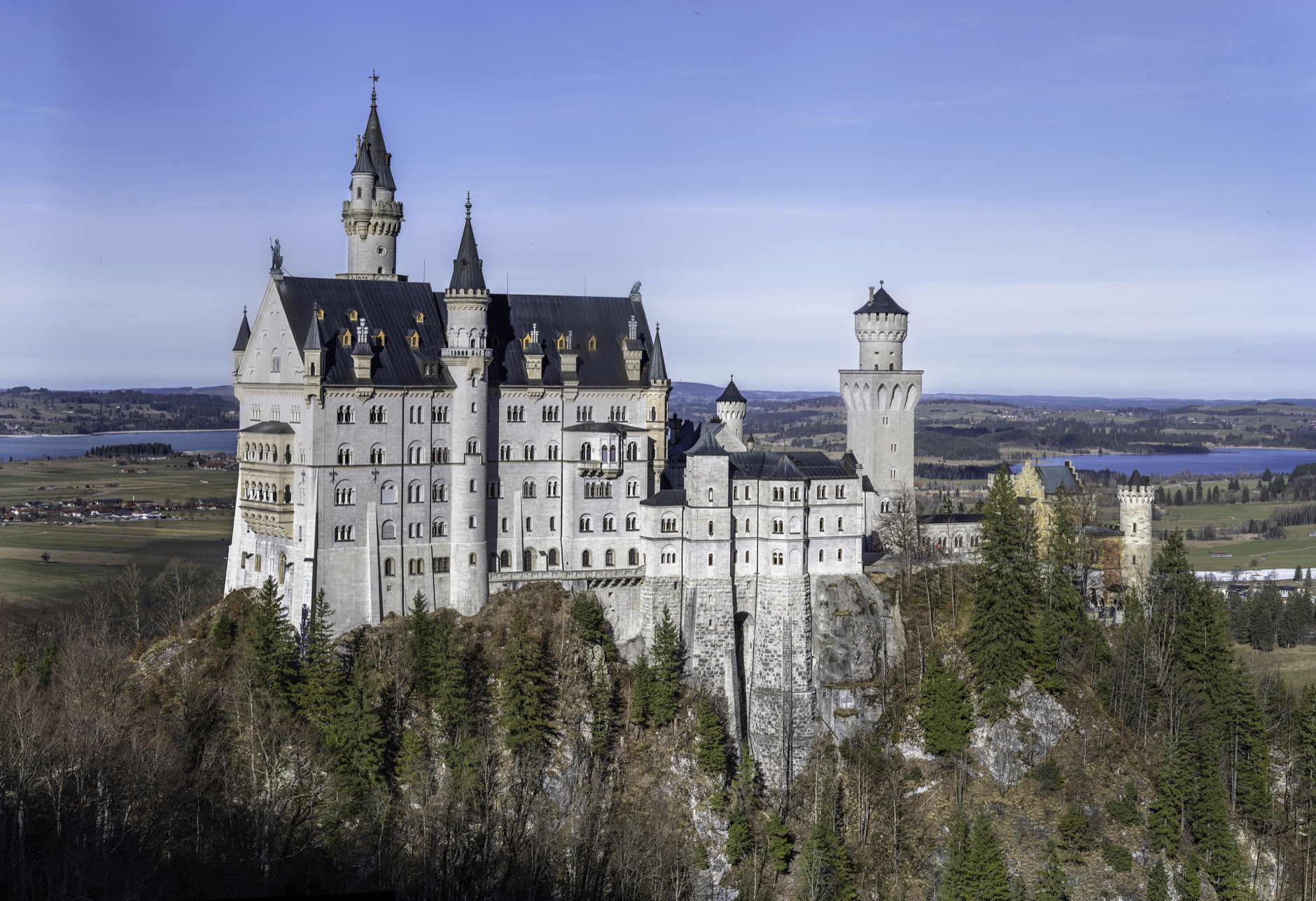
Where next? Stay for the festive season with our Germany Christmas markets guide, head south for a Bavaria road trip to Neuschwanstein Castle, head north for a long weekend in Stockholm, or find your next city break in our round-up of underrated European cities.