Planning a Kruger Safari: Seasons, Camps and Tips for Your First Game Drive
Kruger National Park safari guide resources are plentiful online, but finding one that truly prepares you for Africa’s most famous wilderness takes a little more effort. Covering nearly two million hectares across South Africa’s Limpopo and Mpumalanga provinces, Kruger National Park is one of the greatest wildlife sanctuaries on Earth. Whether you’re a first-time visitor dreaming of lions or a seasoned traveller returning for another dose of the bush, knowing the essentials before you go turns a good trip into an unforgettable one.
This guide covers the best time to visit Kruger, how to make the most of your game drives, where to stay, what to pack and how to stay safe in the wild.
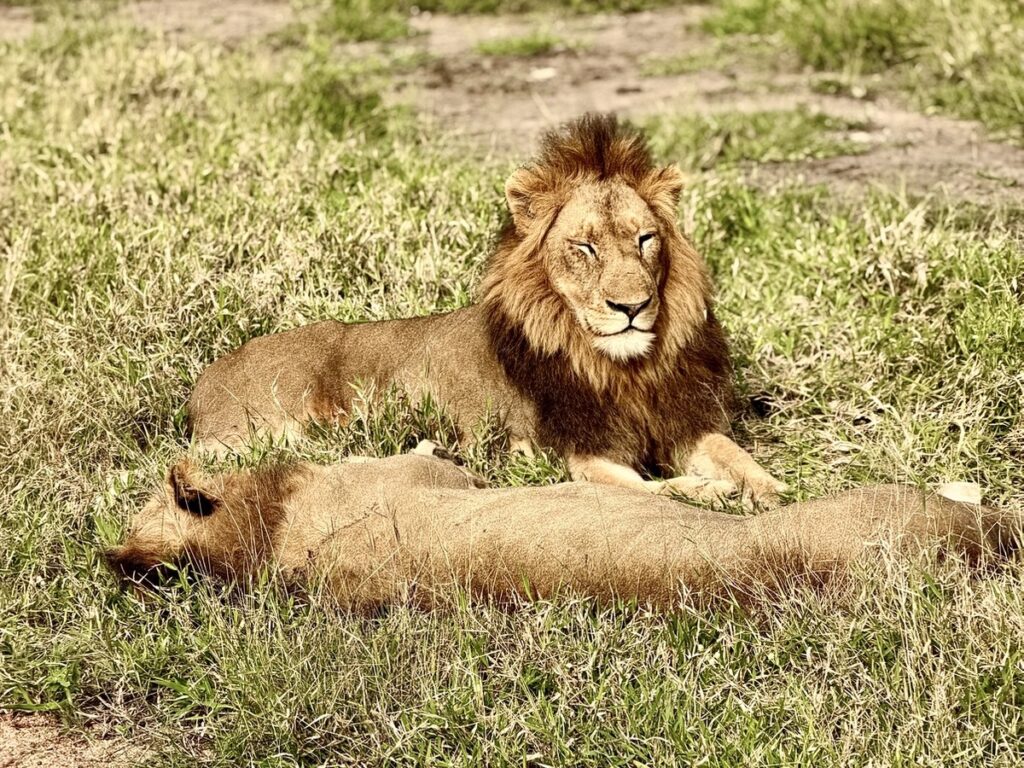
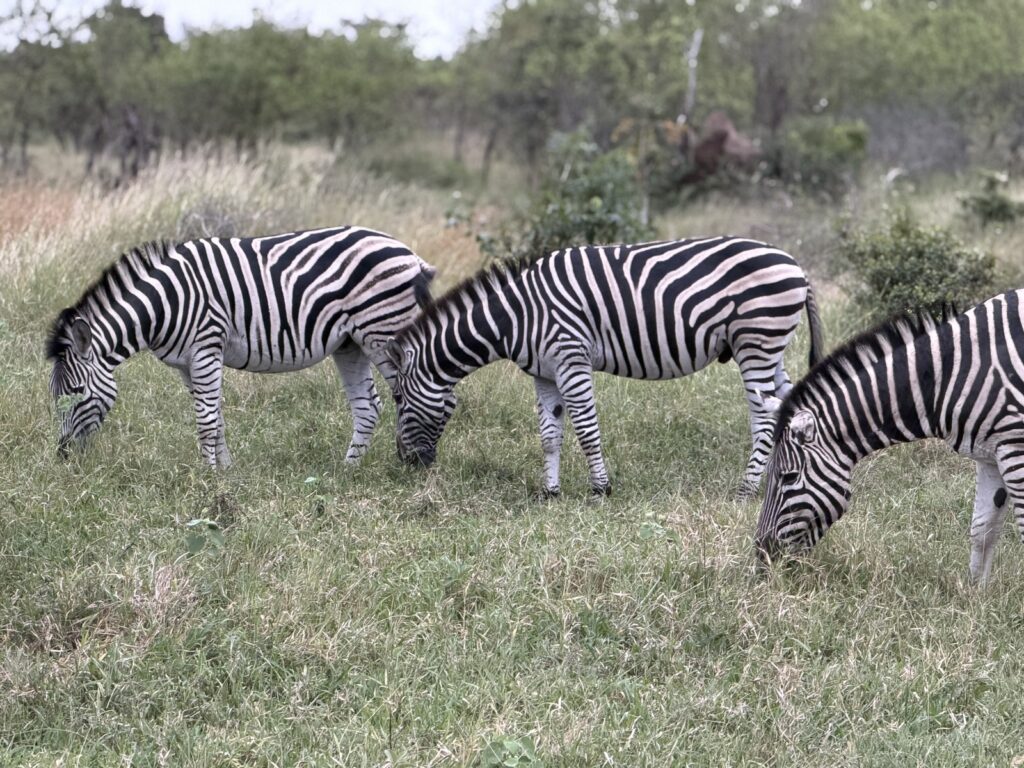
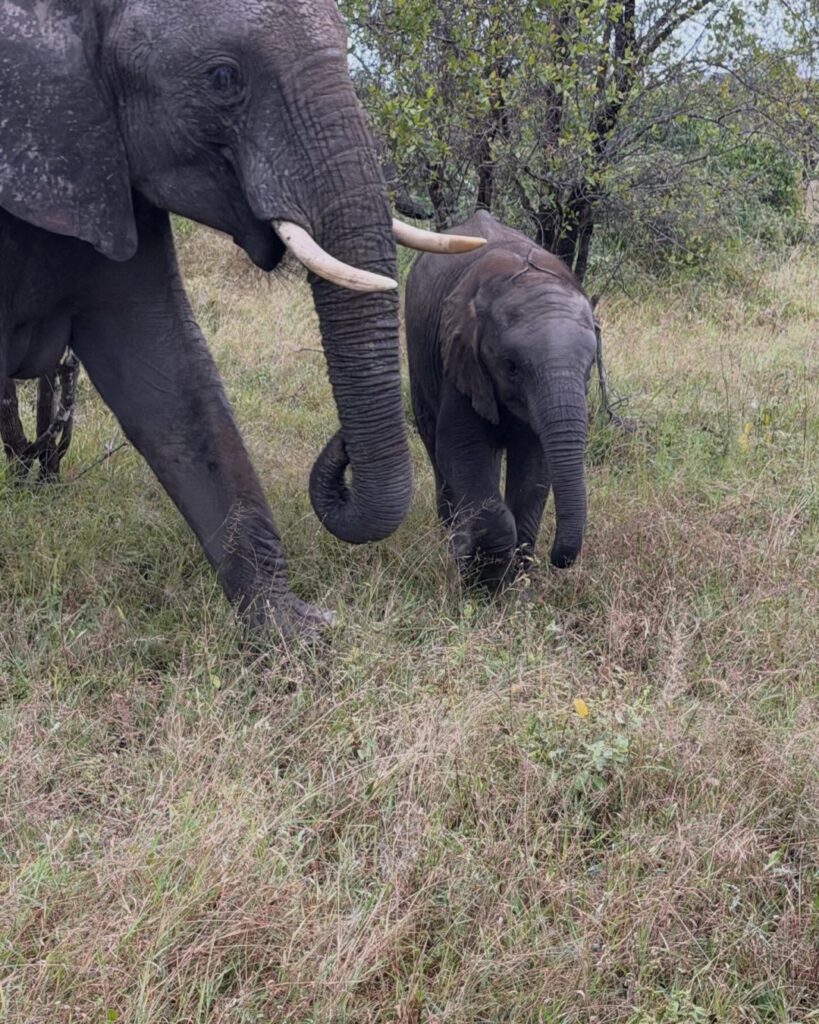
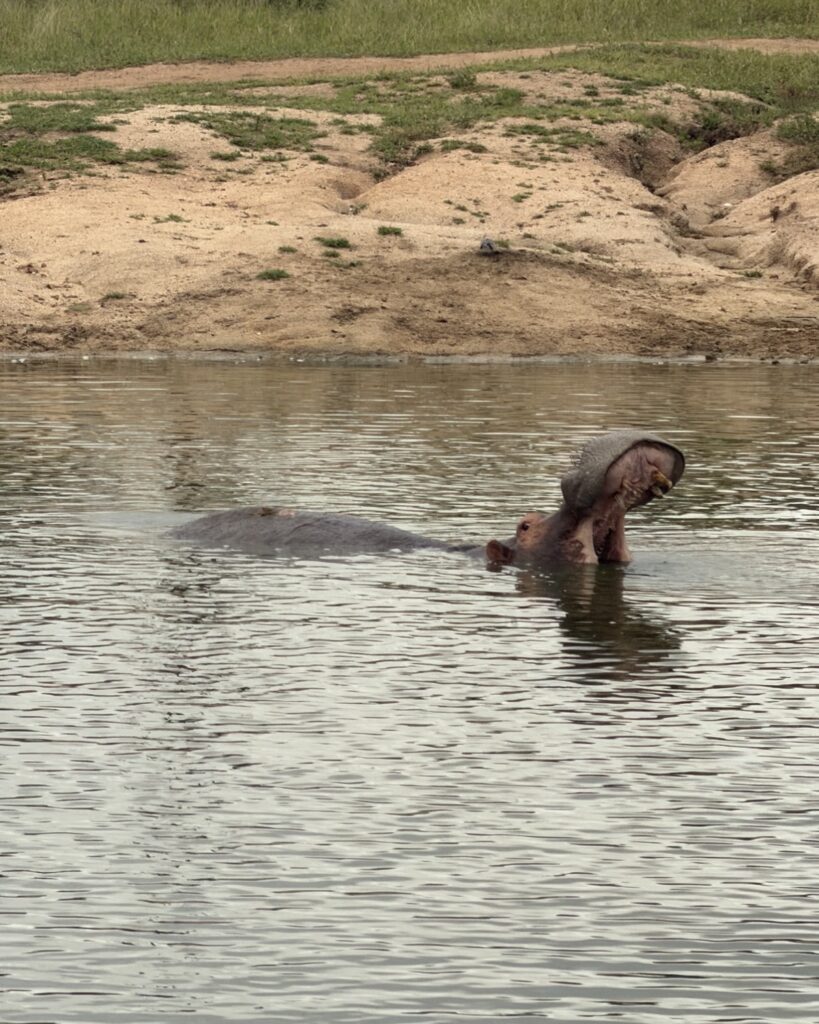
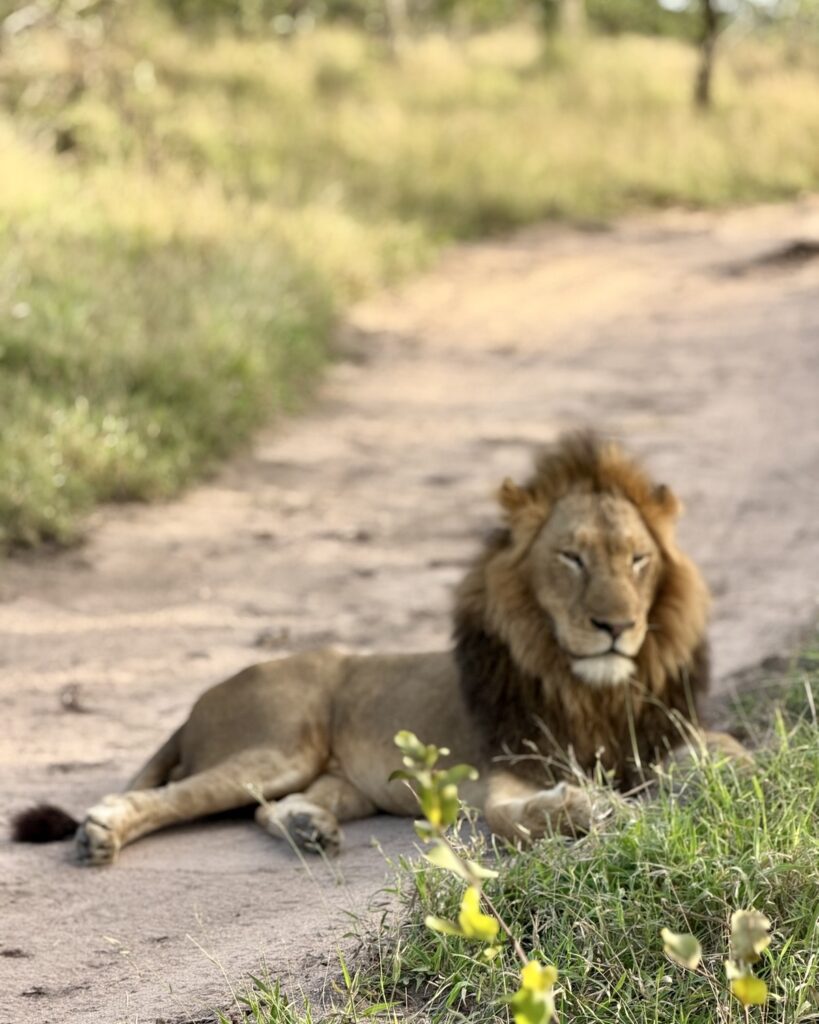
About our trip: we stayed at Umkumbe Safari Lodge in the Sabi Sands, the private reserve on Kruger’s western edge, and did our game drives there. The animal photos in this guide are our own from those drives. There’s more about the lodge in the accommodation section below.
Best Time to Visit Kruger National Park
Timing is everything when it comes to a South Africa wildlife safari. Kruger is open year-round, but the experience varies a lot with the season.
Dry Season: May to September
The dry season is widely considered the best time to visit Kruger for game viewing. Rainfall is minimal, temperatures are cooler and, most importantly, the vegetation thins out. With fewer leaves on the trees and shrubs, animals are far easier to spot. Water becomes scarce, so wildlife gathers around rivers and waterholes, giving you close-up views.
This is also when you’re most likely to see predators on the move. Lions, leopards and wild dogs are easier to find, and big herds of buffalo and elephant become more predictable as they move between water sources.
Wet Season: October to April
The green season has its own appeal. The bush comes alive, lush and full of newborn animals. It’s the best time for birdwatching, as migratory species arrive in huge numbers, and the dramatic thunderstorms of December and January make for stunning photographs.
However, tall grass and thick foliage make animals harder to spot, and it’s hot and humid. Kruger is in a malaria area and the risk is highest in the wet season, so talk to your GP or a travel clinic about antimalarials well before you go.
Kruger National Park Safari Guide: Essential Tips
Book Early, Especially for Rest Camps
Kruger’s accommodation, from basic camps to luxury lodges, books up months in advance, particularly during South African school holidays and the peak dry season. SANParks (South African National Parks) manages the park’s own camps, and you can book online through its official website. Popular rest camps such as Skukuza, Berg-en-Dal and Lower Sabie fill up fast, so plan as early as you can.
Understand the Big Five, and Beyond
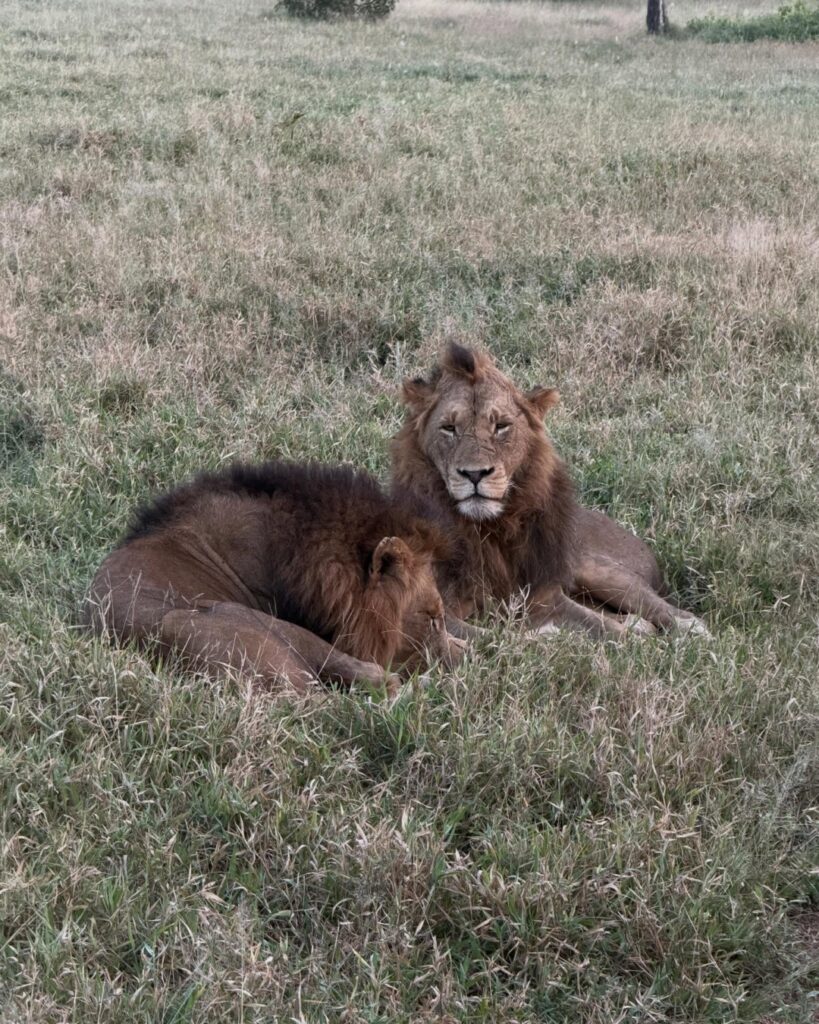
One of the top Kruger safari tips any guide will give you is to look beyond the “Big Five” checklist. Yes, seeing lions, leopards, elephants, rhinos and Cape buffalo is thrilling. But Kruger is also home to more than 500 bird species, wild dogs (one of Africa’s most endangered carnivores), cheetahs, hippos, crocodiles and an extraordinary variety of smaller creatures. Keep your eyes open and your camera ready at all times.
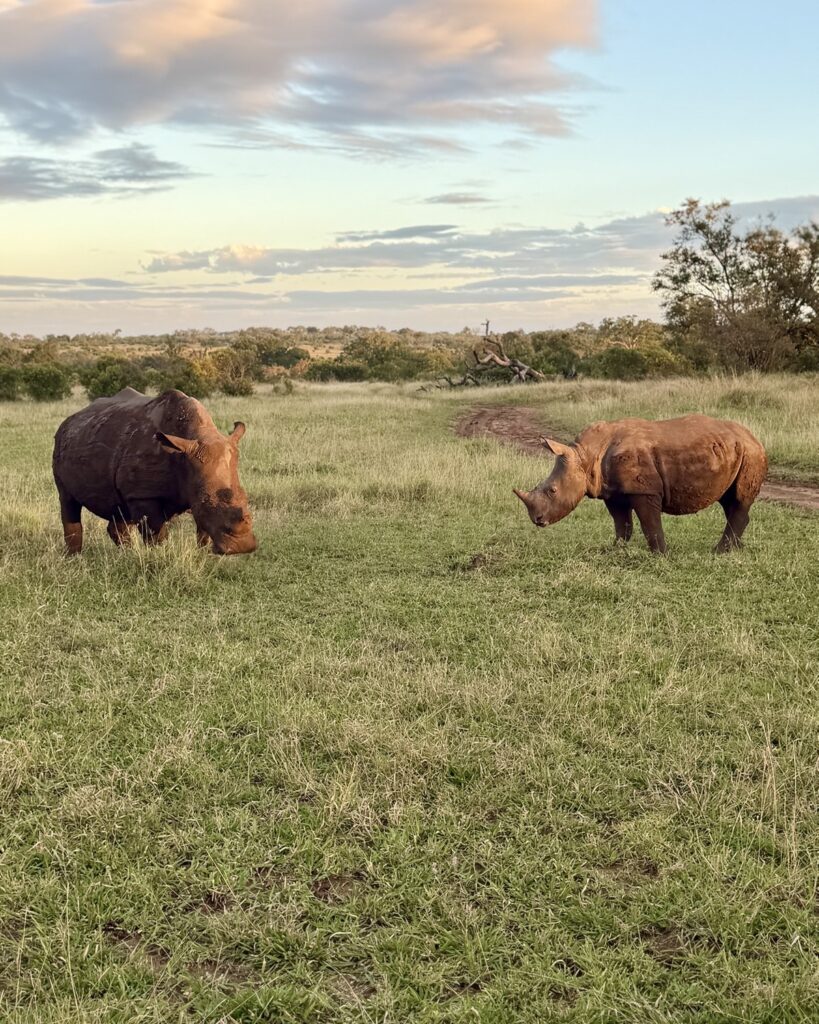
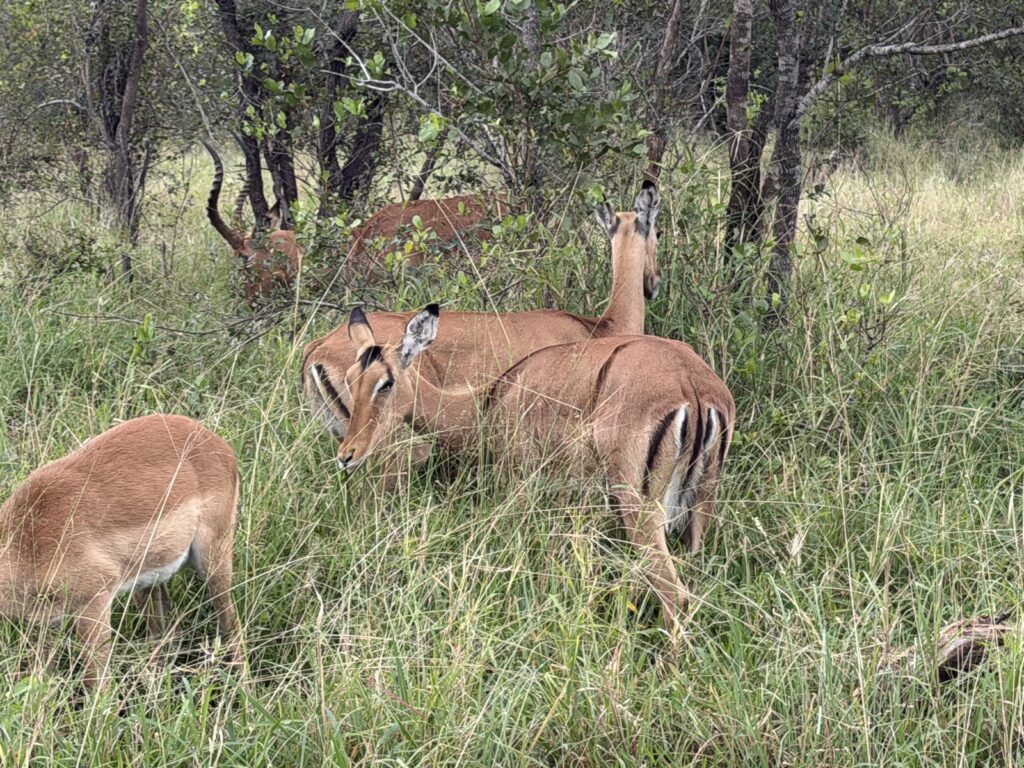
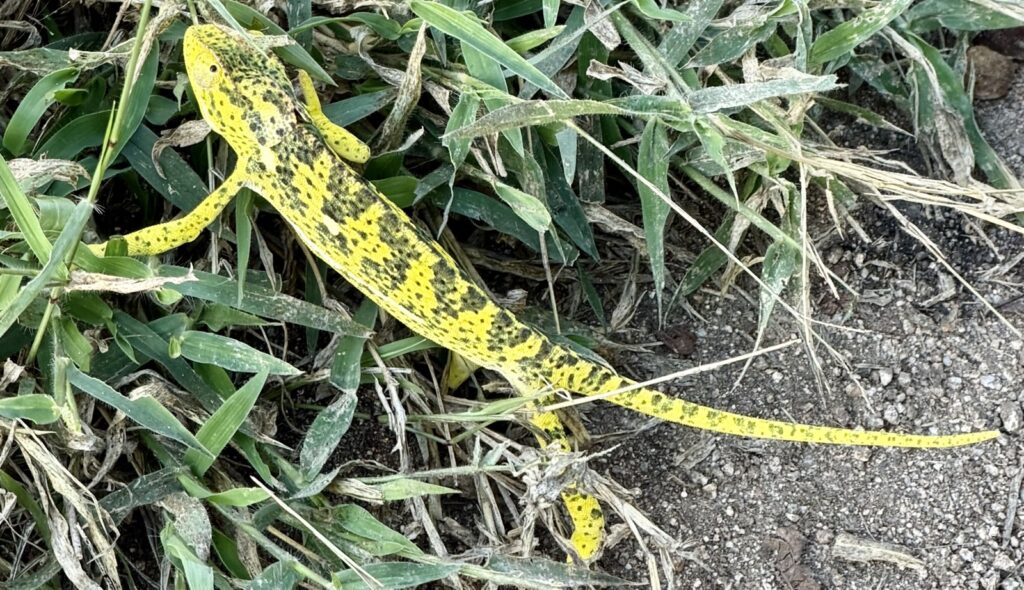
Our experience: on our game drives in the Sabi Sands we saw lions, elephants and white rhinos, plus hippos, giraffes, zebras, kudu and impala. Some of the smaller sightings were just as memorable, like the flap-necked chameleon our guide spotted in the grass beside the track on our last morning.
Choose the Right Car and Game Drive Strategy
Self-drive safaris are one of Kruger’s great advantages over private reserves. You set your own pace, choose your routes and stay as long as you like at a sighting. You don’t need a 4×4: the main roads are tarred and the gravel roads are fine in an ordinary hire car, though a higher vehicle such as an SUV makes it easier to see over the grass.
Focus your drives on the golden hours: early morning (roughly 6–9am) and late afternoon (roughly 3:30–6pm). Animals are most active when it’s cooler, while the midday heat sends most wildlife into the shade. Position yourself near water: the Sabie, Olifants and Crocodile rivers are perennial favourites for great sightings. Drive slowly, too. At 15–20 km/h you’ll spot far more than at the speed limit.
Stay on Designated Roads and Follow the Rules
Kruger’s rules exist for both your safety and the animals’ wellbeing. Never get out of your car except at rest camps and designated picnic or viewing spots, and never feed the wildlife. Keep to the speed limits of 50 km/h on tarred roads and 40 km/h on gravel ones.
Park gates and camp gates open around dawn and close around dusk, at set times that change through the year, so check the current times on the SANParks website. Arriving after the gates close means a hefty fine and, more importantly, leaves you driving in the dark.
Getting to Kruger from the UK
There are no direct flights from the UK to Kruger itself. Most visitors fly to Johannesburg, then either take a short connecting flight to Kruger Mpumalanga International Airport near Mbombela (Nelspruit) or to Skukuza inside the park, or pick up a hire car and drive to the southern gates in around five hours. UK passport holders can currently visit South Africa for up to 90 days without a visa, but check the latest entry rules before you travel.
What to Pack for Your South Africa Wildlife Safari
Packing smart is one of those Kruger safari tips that can make or break your comfort in the bush.
- Neutral-coloured clothing: olive, khaki and beige help you blend into the surroundings. Leave bright colours at home, and pack a warm layer for chilly early-morning drives in winter.
- Binoculars: essential for spotting distant animals and identifying birds. An 8×42 or 10×42 pair is ideal.
- Camera with a telephoto lens: a 300mm lens or longer lets you photograph wildlife from a safe distance.
- Sun cream and insect repellent: the African sun is intense, and mosquitoes are around, especially near water.
- Refillable water bottles: stay hydrated through long days in the car.
- A good field guide: a book such as Newman’s Birds of Southern Africa or the Sasol Birds app makes sightings far more rewarding.
- Antimalarials: speak to your GP or a travel clinic well in advance, as some medicines need to be started before you arrive.
Accommodation Options in Kruger
Rest Camps
SANParks rest camps offer affordable, comfortable accommodation, from campsites to fully equipped bungalows and chalets. Skukuza is the largest, with a restaurant, shop and petrol station. Satara is known for its lion sightings, while Lower Sabie has lovely riverside views. Most rest camps also run guided sunrise, sunset and night drives and bush walks that self-drivers can book, the only way to explore the park after dark.
Private Concessions and Luxury Lodges
For a more exclusive South Africa wildlife safari, private concessions inside Kruger and the private reserves on its borders (such as the Sabi Sands and Timbavati) offer lodges with guided drives in open vehicles, walking safaris and night drives. Names like Singita Lebombo, andBeyond Ngala and Lion Sands combine superb wildlife viewing with exceptional comfort.
The gap between the park’s own rest camps and the private lodges is a wide one, so it is worth comparing Kruger accommodation prices across both before you settle on where to base yourself.
Where We Stayed: Umkumbe Safari Lodge, Sabi Sands
We stayed at Umkumbe Safari Lodge, on the banks of the Sand River in the Sabi Sands. There are no fences between the reserve and Kruger along its western boundary, so the wildlife moves freely between the two, and the lodge’s guided game drives take you out into the heart of the Sabi Sands.
Our experience: Umkumbe was brilliant. The staff were welcoming and lovely to deal with, and our guide, Jayden, was really knowledgeable and always took his time to explain what we were seeing. We’d recommend Umkumbe and its team to anyone planning a safari.
Watch: our own photos from game drives in the Sabi Sands, in 24 seconds. Subscribe to our YouTube channel for a new travel Short every week.
Safety and Responsible Safari Etiquette
A responsible Kruger safari puts safety and conservation first. Give animals space and never pressure guides or rangers to get closer than they should. Keep noise to a minimum at sightings, and report injured animals or anything suspicious (such as signs of poaching) to park staff.
Kruger faces serious threats from rhino poaching, and rangers risk their lives every day to protect these animals. Booking with responsible operators and staying in SANParks camps helps fund that conservation work.
Final Thoughts: Why Kruger Belongs on Every Traveller’s Bucket List
There is a particular kind of silence that settles over the African bush at dawn, broken only by a distant lion’s roar or the call of a fish eagle. It’s the kind of experience that stays with you long after you’ve come home.
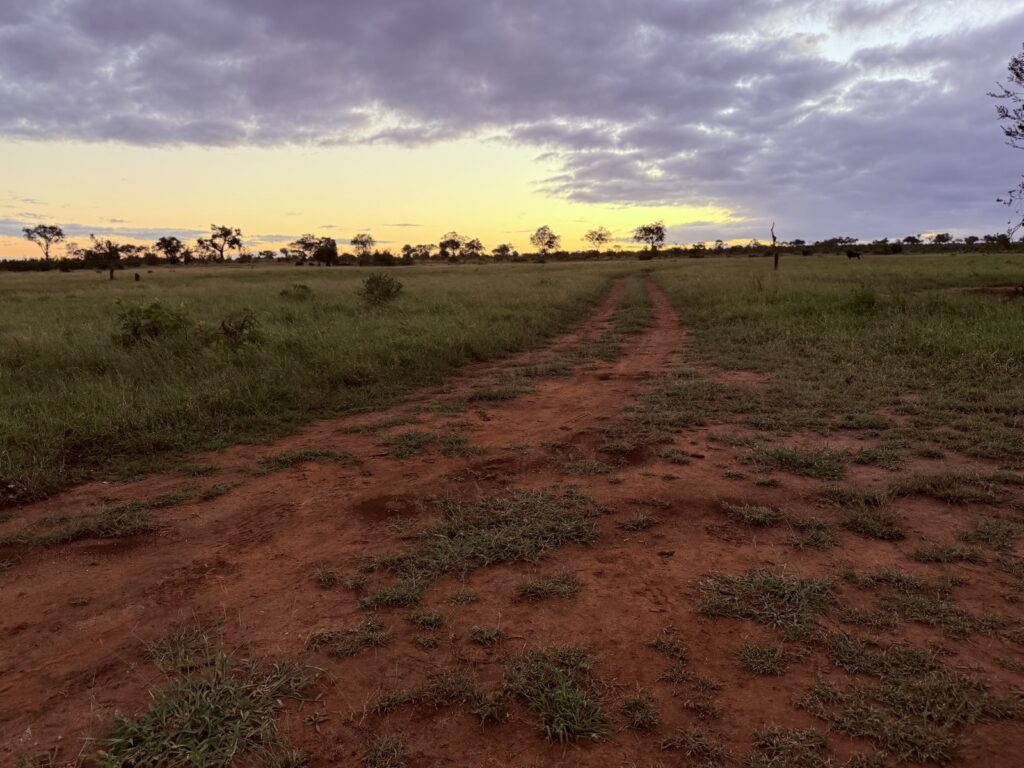
With careful planning, the right season and a respectful approach to the wilderness, your Kruger safari will be far more than a holiday. Whether you come for a week or a long weekend, Kruger has a way of calling you back again and again.
Where next? Keep planning with our Cape Town travel guide, the Garden Route road trip and the Cape Winelands.